

Cancer Treatment

Medical Tourism

Chemotherapy for Cancer Treatment

R3 Medical Tourism | Elite Cancer Care in Tijuana, Mexico

What Is Chemotherapy?

Chemotherapy is a category of cancer treatment that uses powerful cytotoxic (cell-killing) drugs to destroy rapidly dividing cancer cells throughout the body. Unlike surgery or radiation, which target cancer in a specific location, chemotherapy is a systemic treatment—meaning the drugs circulate through the bloodstream and can reach cancer cells anywhere in the body, making it particularly valuable for cancers that have spread (metastasized) beyond their site of origin or for blood-based cancers such as leukemia and lymphoma.

Chemotherapy drugs work through a variety of mechanisms depending on their class. Alkylating agents (such as cyclophosphamide and cisplatin) damage the DNA of cancer cells, preventing them from replicating. Antimetabolites (such as methotrexate and 5-fluorouracil) mimic the building blocks of DNA and RNA, disrupting the cell’s ability to copy its genetic material. Taxanes (such as paclitaxel and docetaxel) and vinca alkaloids interfere with the spindle apparatus that pulls chromosomes apart during cell division. Anthracyclines (such as doxorubicin) intercalate into DNA and generate free radicals. Because cancer cells divide far more rapidly than most normal cells, they are disproportionately targeted—though side effects arise from the impact on fast-dividing healthy tissues such as bone marrow, the gastrointestinal lining, and hair follicles.

Chemotherapy can be used with different therapeutic intentions depending on the stage and type of cancer. Curative chemotherapy aims to eliminate cancer completely. Neoadjuvant chemotherapy is given before surgery or radiation to shrink a tumor. Adjuvant chemotherapy is given after primary treatment to destroy any remaining microscopic cancer cells and reduce the risk of recurrence. Palliative chemotherapy is used in advanced cancer to slow progression, manage symptoms, and improve quality of life without the expectation of cure.

Who Is Chemotherapy For?

Chemotherapy is used across a broad spectrum of cancer diagnoses and stages. It is a primary treatment for hematologic cancers including leukemia, lymphoma, and multiple myeloma, as well as an essential component of treatment regimens for many solid tumors including breast, lung, colorectal, ovarian, bladder, and testicular cancers. Its role in each cancer type and stage is defined by the tumor’s biology, its responsiveness to specific drug classes, and the overall clinical context.

Patient selection considers multiple factors beyond cancer type and stage. Performance status—a measure of the patient’s overall health and functional capacity—is one of the most important determinants of chemotherapy eligibility, as patients must be well enough to tolerate the systemic effects of cytotoxic drugs. Organ function (particularly kidney and liver function, which affect drug metabolism and clearance), baseline blood counts, cardiac health, and prior chemotherapy exposure all influence which agents and doses can be safely used.

Chemotherapy is frequently combined with other modalities for maximal effect. Chemoradiation—concurrent chemotherapy and radiation—is the standard of care for several cancers including locally advanced cervical cancer, head and neck cancers, and esophageal cancer. Combination chemotherapy regimens using two to four drugs with different mechanisms of action are standard for many cancer types, exploiting synergistic tumor-killing while managing overlapping toxicities.

Chemotherapy Treatment Videos

It is a long established fact that a reader will be distracted by the readable content of a page when looking at its layout. The point of using Lorem Ipsum is that it has a more-or-less normal distribution of letters, as opposed to using..

Frequently Asked Questions

It is a long established fact that a reader will be distracted by the readable content of a page when looking at its layout. The point of using Lorem Ipsum is that it has a more-or-less normal distribution of letters, as opposed to using..

Why Get Chemotherapy in Tijuana, Mexico?

Cancer treatment in the United States is among the most expensive in the world. A single cycle of combination chemotherapy can cost $10,000 to $30,000 or more, and full curative regimens spanning months can reach $100,000 to $300,000 in total drug and administration costs—before accounting for supportive care, monitoring, and hospitalizations. For uninsured, underinsured, or internationally mobile patients, these costs create an impossible barrier to accessing evidence-based cancer care.

R3 Medical Tourism’s network of elite oncology centers in Tijuana offers the same internationally approved chemotherapy protocols—including platinum-based regimens, taxane-based regimens, anthracycline combinations, and targeted oral chemotherapy agents—at dramatically reduced costs, typically 60 to 80 percent below U.S. prices. Oncologists in this network are board-certified specialists with training at leading Mexican and international cancer centers, and they follow treatment guidelines established by the American Society of Clinical Oncology (ASCO), the National Comprehensive Cancer Network (NCCN), and the European Society for Medical Oncology (ESMO).

The geographic proximity of Tijuana to the U.S. border makes it exceptionally accessible for patients from California and other western states, many of whom can receive their chemotherapy infusions and return home the same day or following a brief stay. R3 Medical Tourism coordinates all aspects of oncology care—pathology review, staging workup, treatment planning, infusion scheduling, and supportive care—so that patients can focus entirely on their recovery.

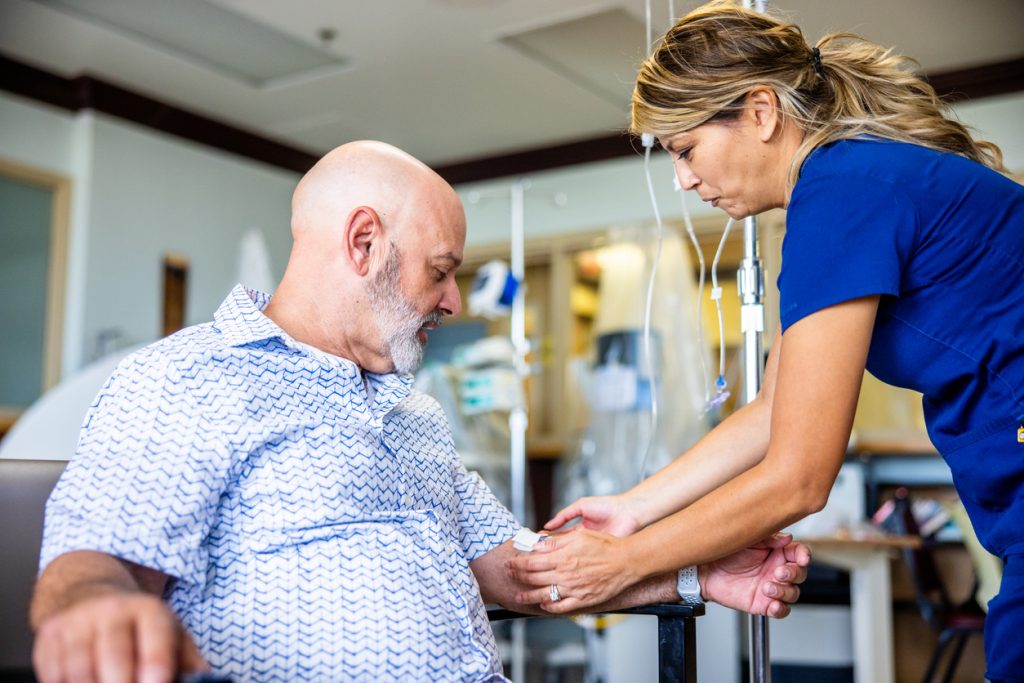
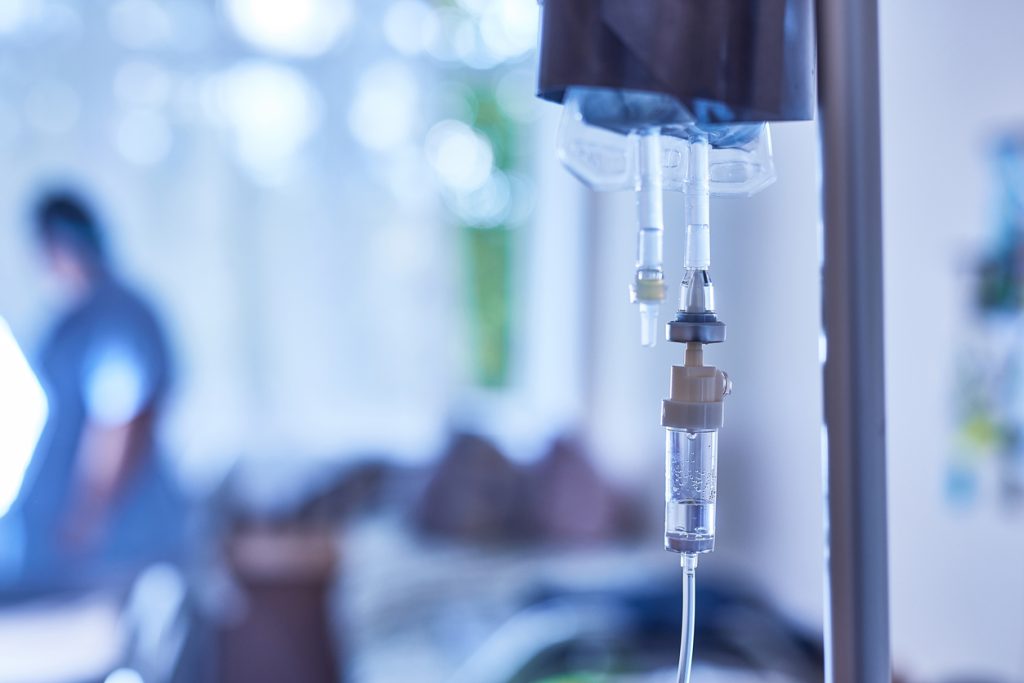
Chemotherapy is administered through several routes depending on the drugs being used and the cancer being treated. Intravenous (IV) infusion is the most common route for hospital-grade regimens, with drugs delivered through a peripheral IV line, a peripherally inserted central catheter (PICC line), or a surgically implanted port-a-cath. Infusion sessions can range from 30 minutes to several hours or even days (for continuous infusion regimens). Some chemotherapy drugs are available in oral tablet or capsule form, offering the convenience of home administration.

Treatment is delivered in cycles—periods of drug administration followed by rest intervals that allow the body, particularly the bone marrow, time to recover. A typical cycle lasts 2 to 4 weeks, and full treatment courses span 4 to 8 cycles or more depending on the regimen and response. Before each cycle, blood counts and organ function are checked to ensure the patient can safely proceed. Doses may be reduced or cycles delayed if toxicity requires it.

Supportive care is an essential component of chemotherapy management. Anti-nausea medications (5-HT3 antagonists, NK1 antagonists, corticosteroids) are given prophylactically before and after infusion. Growth factors (G-CSF, such as filgrastim or pegfilgrastim) are often used to stimulate white blood cell production and reduce the risk of neutropenic fever. Anti-emetics, hydration protocols, and careful monitoring for renal, hepatic, and cardiac toxicities are standard practice throughout the treatment course.

Chemotherapy’s track record across decades of clinical use is extensive and well-documented. For testicular cancer, RPLND and cisplatin-based combination chemotherapy (BEP regimen) achieves cure rates exceeding 95 percent even in metastatic disease—one of oncology’s most celebrated successes. For early-stage breast cancer, adjuvant chemotherapy reduces the relative risk of recurrence and death by approximately 30 percent. For diffuse large B-cell lymphoma, R-CHOP chemoimmunotherapy achieves complete remission in approximately 60 to 70 percent of patients, with long-term cure in many.

Response rates vary widely by cancer type, stage, and molecular subtype, but across the landscape of oncology, chemotherapy—particularly in combination with modern targeted agents and immunotherapy—continues to be the backbone of curative intent treatment for the majority of non-surgical cancers. Survival improvements in cancers such as ovarian, colorectal, and lung cancer over the past three decades have been substantially driven by advances in chemotherapy regimens and supportive care.

Quality of life during chemotherapy has improved significantly with the advent of modern antiemetics, growth factor support, and dose-dense scheduling that shortens overall treatment duration. Patient-reported outcomes in contemporary clinical trials show that most patients are able to maintain functional independence throughout chemotherapy, particularly when supported by experienced oncology teams with robust symptom management protocols. The oncologists in R3 Medical Tourism’s network are trained in delivering both efficacy and quality of life across the full spectrum of chemotherapy indications.

Ready to take the next step in your cancer care journey? Contact R3 Medical Tourism today to connect with an elite oncology specialist in Tijuana, Mexico. World-class treatment protocols, cutting-edge technology, and significant cost savings are within reach.

Other Available Cancer Treatment

It is a long established fact that a reader will be distracted by the readable content of a page when looking at its layout. The point of using Lorem Ipsum is that it has a more-or-less normal distribution of letters, as opposed to using..

Radiation therapy

It is a long established fact that a reader will be distracted by the readable content of a page when looking at its layout

Proton Beam Therapy

It is a long established fact that a reader will be distracted by the readable content of a page when looking at its layout

CyberKnife/Stereotactic Radiosurgery

It is a long established fact that a reader will be distracted by the readable content

Brachytherapy

It is a long established fact that a reader will be distracted by the readable content of a page when looking at its layout

Immunotherapy

It is a long established fact that a reader will be distracted by the readable content of a page when looking at its layout

CAR-T Cell Therapy

It is a long established fact that a reader will be distracted by the readable content of a page when looking at its layout

Tumor Resection
Surgery

It is a long established fact that a reader will be distracted by the readable content

Robotic-Assisted
Cancer Surgery

It is a long established fact that a reader will be distracted by the readable content

Bone Marrow /
Stem Cell Transplant

It is a long established fact that a reader will be distracted by the readable content

Targeted Molecular
Therapy

It is a long established fact that a reader will be distracted by the readable content

Hormone Therapy
(Oncology)

It is a long established fact that a reader will be distracted by the readable content

HIFU (High-Intensity
Focused Ultrasound)

It is a long established fact that a reader will be distracted by the readable content

Cryotherapy (Tumor
Ablation)

It is a long established fact that a reader will be distracted by the readable content

Photodynamic Therapy

It is a long established fact that a reader will be distracted by the readable content of a page when looking at its layout

Interventional Radiology (Tumor Embolization)

It is a long established fact that a reader will be distracted by the readable content

Molecular/Genetic
Tumor Profiling

It is a long established fact that a reader will be distracted by the readable content

Clinical Trial Access

It is a long established fact that a reader will be distracted by the readable content of a page when looking at its layout

Palliative Oncology Care

It is a long established fact that a reader will be distracted by the readable content of a page when looking at its layout

Lymph Node Dissection

It is a long established fact that a reader will be distracted by the readable content of a page when looking at its layout

Schedule your free consultation at 80+ Centers worldwide and start your journey to better care.

Success Stories

It is a long established fact that a reader will be distracted by the readable content of a page when looking at its layout. The point of using Lorem Ipsum is that it has a more-or-less normal distribution of letters, as opposed to using..

Looking Forward To Hearing From You !

Our Location

1521 E Windsor #6 Glendale CA 91205 US

Email Address

info@r3medicaltourism.com

Call Us Now

123 456 7890

Scroll to Top